
BECOME A PROTECTOR
The Protector Training Program is designed for individuals and families dedicated to mastering personal safety, resilience, preparedness, and tactical readiness. With a focus on practical, real-world skills, this one-on-one program offers comprehensive training in various areas, including physical defense, situational awareness, emergency preparedness and so on. Whether you’re looking to enhance your personal security, protect your family, or build high-level tactical skills, this program provides a tailored pathway to empower you in any situation. Take note that this service is offered for serious citizens in need of personal (One-on-One) training. Additional client is to consider depending on who is the person (E.g.: Family member).
Training Categories
Physical Defense and Tactical Skills
/Situational Awareness and Threat Detection
- Focus: Develop the ability to recognize and assess threats before they escalate.
- Skills: Techniques to stay alert in various environments, threat assessment methods, and intuition-building exercises.
- Equipment: Understand how to use personal safety devices (e.g., whistles, tactical flashlights) and ensure they are accessible in different scenarios. Consider wearing clothing that allows for mobility and comfort.
- Why This Matters: Situational awareness forms the foundation of personal safety, allowing you to avoid potential threats early.
/Everyday Carry (EDC) Essentials
- Focus: Learn the importance of carrying essential items daily for personal safety and preparedness.
- Skills: Identify which EDC items are right for you, including tools for self-defense, first aid, and everyday utility.
- Equipment: Discuss recommendations for items to include in your EDC kit, such as tactical pens, multi-tools, or pepper spray, and how to carry them effectively.
- Why This Matters: EDC ensures that you have the tools and resources necessary to respond quickly and effectively to everyday challenges and emergencies.
- Focus: Learn tactical strategies for effectively navigating and securing confined spaces, with an emphasis on movement, positioning, and situational awareness.
- Skills: Techniques for room clearing, tactical entry and exit strategies, and safe navigation in tight spaces. Training includes both solo and team tactics for managing threats in confined areas.
- Equipment: Recommendations on EDC (Everyday Carry) essentials suited for close-quarters scenarios, including items to aid in rapid response and secure movement. Covers situational tools and gear for enhanced control in confined environments.
- Why This Matters: CQB training is essential for those facing potential threats in indoor or restricted spaces, equipping you with the skills to confidently manage and control close-range situations.
/Close Quarters Combat (CQC)
- Focus: Develop skills to defend yourself when threats are too close for traditional defense.
- Skills: Techniques for engaging and neutralizing threats in immediate proximity.
- Equipment: Familiarize yourself with tools that may be used in CQC, such as personal alarms or self-defense keychains, and practice their use safely.
- Why This Matters: CQC training is crucial for self-defense, especially when other tools aren’t available, providing you with physical control in close-contact scenarios.
/Firearms and Shooting Proficiency
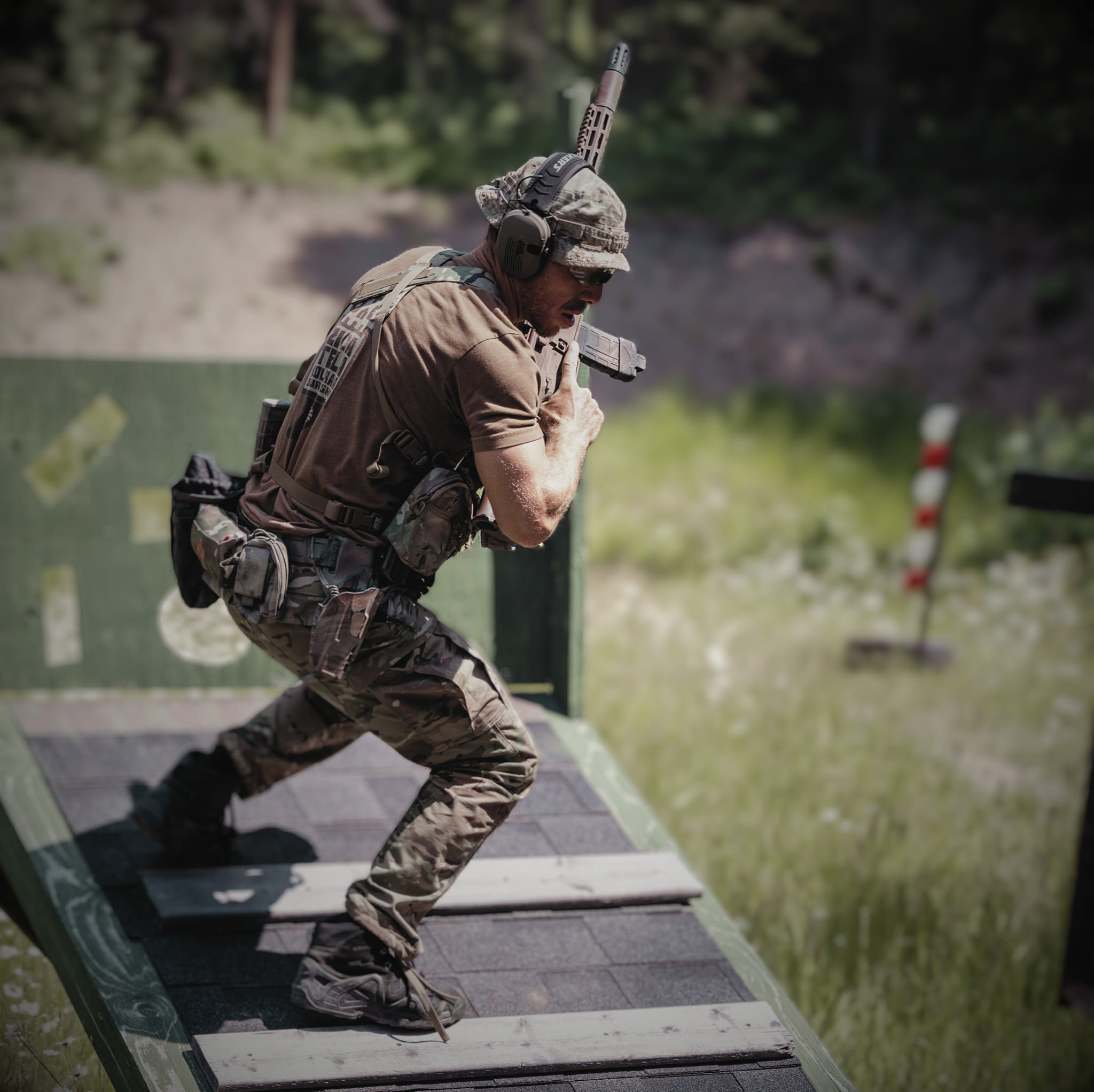
- Focus: Achieve precision and confidence with firearms, focusing on safe handling and shooting accuracy.
- Skills: Firearm handling, safety protocols, and shooting basics.
- Equipment: Discuss firearms safety gear, appropriate holsters, and accessories. Learn how to properly maintain and store firearms for readiness.
- Why This Matters: Proficiency with firearms is essential for those incorporating them into their personal defense, ensuring responsible and effective handling in high-stress scenarios.
/Knife Defense and Countermeasures
- Focus: Equip yourself with skills to defend against edged weapons and neutralize potential knife attacks.
- Skills: Techniques for disarming and countering knife attacks.
- Equipment: Advice on carrying and using knives for self-defense, including legality and safety considerations.
- Why This Matters: Knife defense is a critical skill in personal protection, offering effective ways to handle situations where bladed weapons are involved.
Emergency Preparedness and Survival Skills
/Home and Family Security
- Focus: Secure your home and create protective routines for your family’s safety.
- Skills: Identifying vulnerable points in your home, developing safety routines, and implementing effective security measures.
- Equipment: Guidance on creating a bug-out bag, including essential items like first-aid kits, water purification systems, and emergency food supplies. Discuss the installation and maintenance of CCTV systems and other security measures to enhance home protection.
- Why This Matters: Home security planning provides peace of mind and ensures you and your family are prepared to handle threats in a coordinated manner.
/Emergency Preparedness and Crisis Management
- Focus: Prepare to respond effectively to emergencies, from natural disasters to personal security threats.
- Skills: Crisis management, evacuation procedures, and survival strategies.
- Equipment: Discuss how to assemble a comprehensive bug-out bag, including EDC items, emergency tools, and survival gear.
- Why This Matters: Emergency preparedness is crucial for protecting yourself and loved ones when the unexpected happens, providing a clear action plan for various scenarios.
Physical and Mental Readiness
- Focus: Build foundational physical strength, endurance, and agility through functional fitness.
- Skills: Improving cardiovascular endurance, core stability, explosive power, and real-world movement patterns.
- Equipment: We will access a proper gym depending on your needs + you will have full access to the private Military style obstacle course based in Penticton – Okanagan Warriors Adventure
- Why This Matters: Physical strength and endurance are essential for handling high-stress situations and maintaining performance in real-world scenarios.
/Martial Arts and Combat Skills
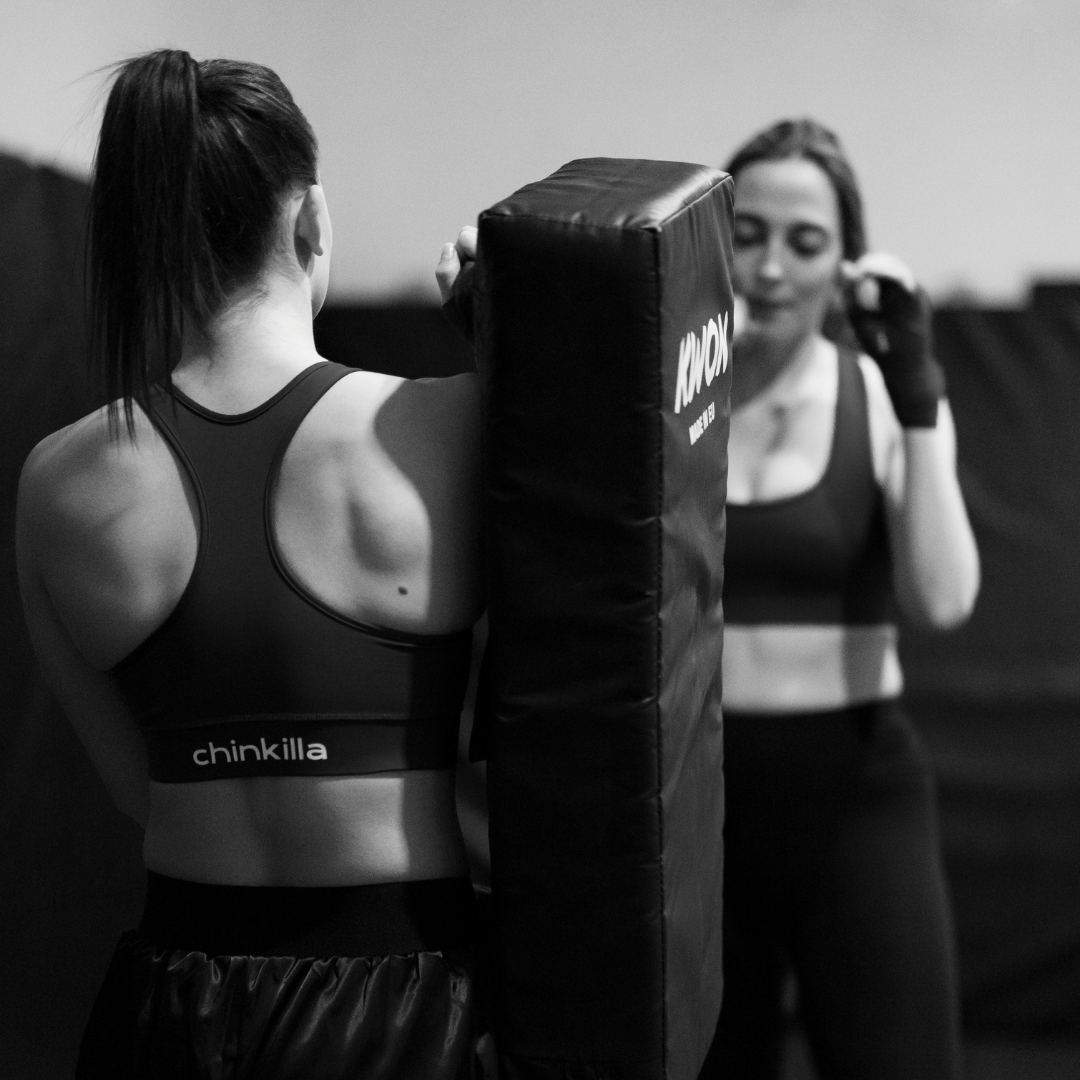
- Focus: Develop self-defense abilities through practical martial arts techniques.
- Skills: Mastering strikes, blocks, defensive stances, takedowns, and responses to close-quarters threats.
- Equipment: Recommendations for basic protective martial arts gear to enhance training safety and effectiveness.
- Why This Matters: Martial arts training equips you with effective, real-world combat skills for self-defense and enhances both physical control and confidence.
/Mental Resilience and Tactical Mindset
- Focus: Cultivate a resilient mindset and maintain mental clarity under pressure.
- Skills: Techniques for stress management, situational awareness, focus-building, and decision-making under pressure.
- Why This Matters: Mental resilience and situational awareness are vital for remaining calm, decisive, and effective in high-stress environments, ensuring that you can make clear, informed choices.
Cyber Defense and Personal Security
/Social Media Awareness and Basic Electronic Security
- Focus: Understand the risks associated with social media and electronic communication.
- Skills: Best practices for safeguarding personal information online, recognizing phishing attempts, and protecting your devices.
- Equipment: Learn about apps and tools that enhance your digital security, as well as tips for setting up privacy settings on social media platforms.
- Why This Matters: In today’s digital age, personal safety extends to online interactions, making cyber awareness vital for comprehensive protection.
Who This Program is For
/The Protector Training Program is ideal for:
- Individuals Focused on Personal and Family Safety: Gain confidence and skills to protect yourself and your family in any situation.
- Those Interested in Tactical Training: If you seek advanced tactical skills in CQC, firearms, and emergency preparedness, this program offers immersive, hands-on experience.
- Clients Seeking Tailored, Real-World Skills: Customize your training focus to prioritize areas such as physical defense, cyber awareness, or equipment preparedness.
About Jeff Malek – Your Instructor
Jeff Malek, founder of MLK Abilities, brings an extensive background in tactical training, personal defense, and survival. With French military SAS experience, intense real-life situations in Europe and over-seas and training civilians as well as law enforcement, military, and private security. Jeff has helped countless individuals become proactive about their safety and preparedness.
Why Choose the Protector Training Program?
The program offers the flexibility and expertise needed for a well-rounded, personalized training experience:
- Free First Appointment: Start with a free introductory hour to set goals, answer questions, and begin creating your tailored training plan.
- Customizable Learning Path: Focus on the tactical skills most relevant to you, whether that’s self-defense, firearms, EDC, or emergency preparedness.
- Realistic, Hands-On Training: Each module is taught in practical scenarios, equipping you with skills to confidently protect yourself and others.
Start Your Journey to Becoming a Protector
Whether your goal is personal defense, family safety, or tactical mastery, the Protector Training Program gives you the skills, confidence, and readiness to face any challenge. Schedule your free introductory appointment today and take the first step toward a secure, empowered future.
Learn more skills by consulting The Insight Lab
COMPLETE THIS CONTACT FORM TO ENROLL (2min) OR CONTACT US